The 4th Annual Local Filmmaker Showcase is taking place at cinéSPEAK at Calvary on Thursday, September 25, co-hosted by Independence Public Media Foundation (IPMF) and cinéSPEAK. The showcase will feature short films by grantees of IPMF’s Local Filmmaker Fund, a grant that supports film and media projects across the Greater Philadelphia region.
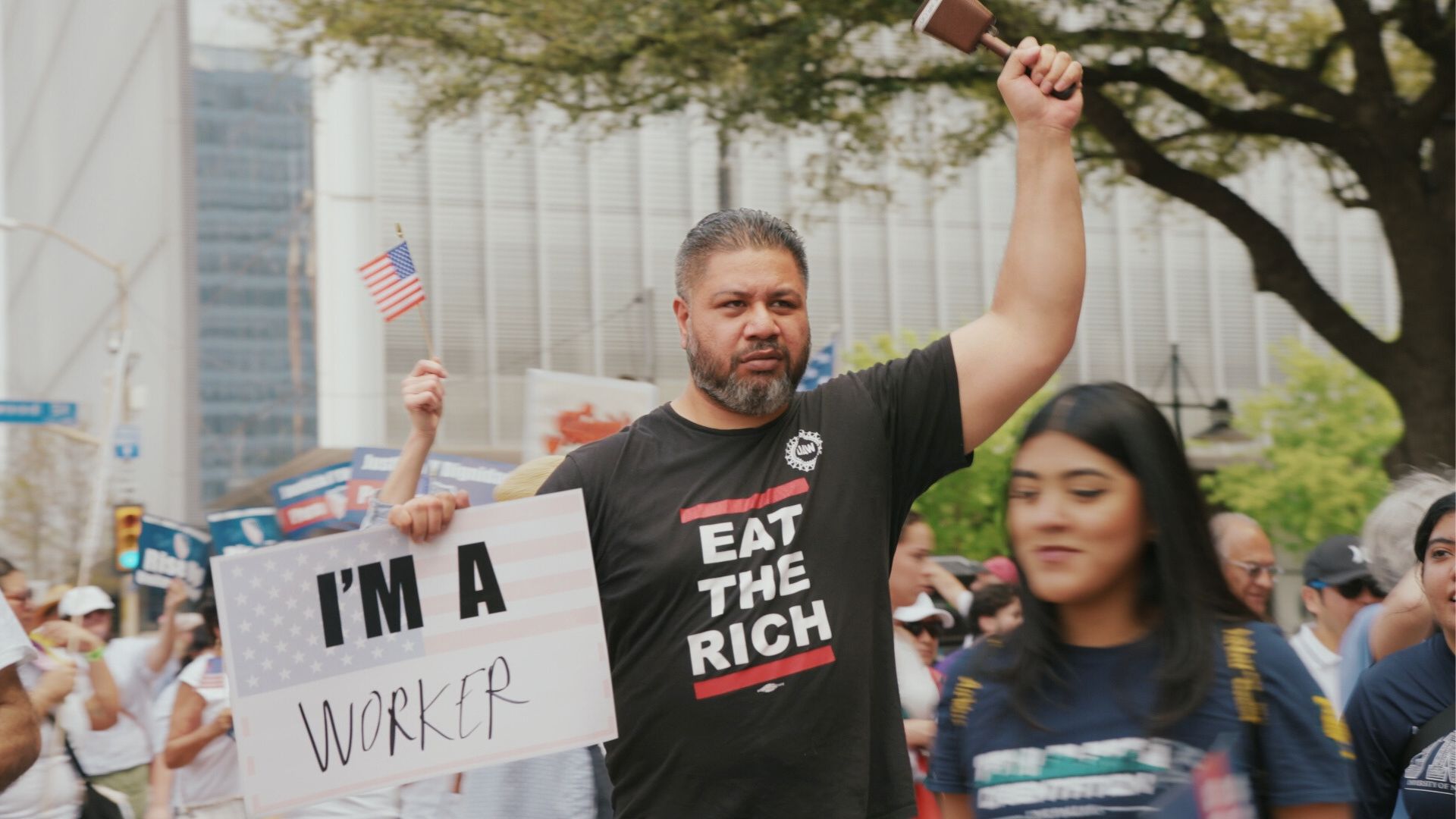
The community screening, entitled Archives of Resistance, Films for Mobilizing, features seven films that provide different perspectives on memory. From meditative experimentations about prayer and grief to dynamic expressions of Black femme erotic power, these stories told by Philadelphia-based filmmakers shed new light on old ideas, questions, and issues. SOFT creates a cinematic sanctuary for Black women through multidisciplinary storytelling, and Through Our Hands examines the history of Asian and Pacific Islander laborers in America while highlighting the socioeconomic struggles of present-day Asian service workers during ongoing ICE raids.
Director Elijah Crawford tackles mental health stigma and treatment in the short narrative film The Cure for Depression, while director Brujo de la Mancha honors Mexican ancestral and spiritual knowledge by documenting the Danza Azteca ceremonial practice in the film Cempōhualli Xiuhtonalli Macehualiztli, 20 years of Aztec Dance in Philadelphia.

“These films use the past to illuminate how we arrived at this moment in our collective struggle, and more importantly, they provide the inspiration and blueprint for how we move forward. They are archives in action, directly informing and inspiring contemporary movements,” says Samíl Jimenez-Magdaleno, the Program Officer of Learning and Networks at IPMF.
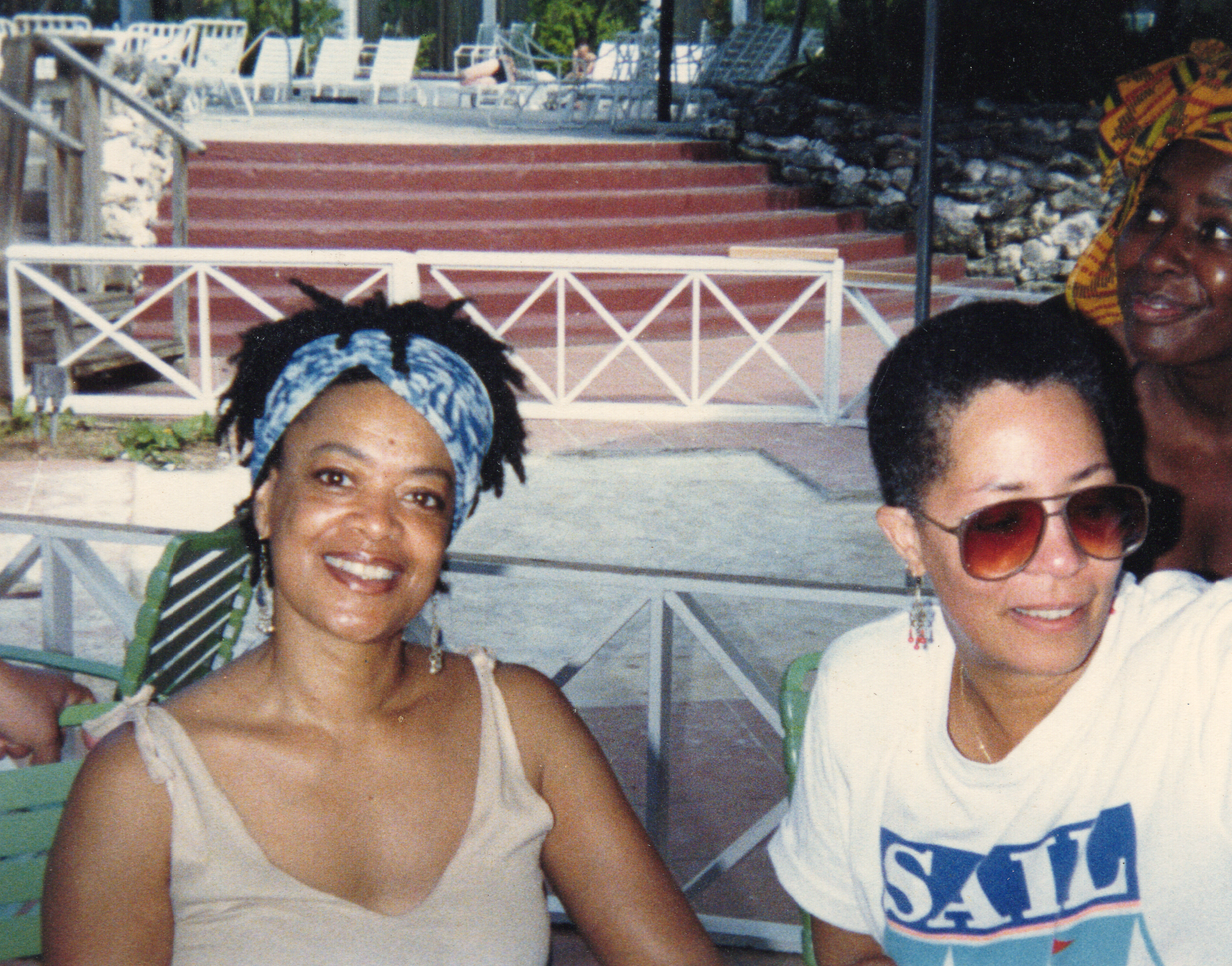
In Janazah, director Aaron Brokenbough gives reverence to his now-deceased stepmother and mother. Through minimalist set design, Islamic prayer, and yoga, Brokenbough renders Black spirituality as vivid, complex, and deeply moving.
“Grief doesn’t resolve neatly; you never truly ‘get over’ the loss of a parent. Instead, we find ways to cope, to honor their lives, and to soften into the joy that still exists,” says Brokenbough. “If anything, I hope Janazah is a reminder that even in the presence of death, there is space for connection, memory, and love.”
Meanwhile, throughout Kayla Watkins’s Bumpa, dancers discuss how twerking changed their relationship to their bodies, culture, and even ancestral lineage. They share memories of how twerking helped them own their power and reclaim the ancestral memory that lives in the body. In tandem with unapologetic celebration and pleasure, the film indirectly critiques Eurocentric views of bodies, respectability, and sexuality. Watkins contextualizes twerking with archival footage from African dance cultures, such as the Mapouka dance from the Ivory Coast. In doing so, Bumpa asserts that self-knowledge is key to liberation.

“I want people to explore culturally affirming forms of movement and learning…and to open their minds to the possibility of a world where Black people don’t need permission or to explain why and how they move,” says Watkins.
Watkins is creating Bumpa in a time when the independent media landscape is at risk due to federal funding cuts from the Trump administration. This may prevent marginalized filmmakers whose work challenges fascist ideologies–like Watkins and the other filmmakers in the showcase–from fully developing or completing their films. IPMF’s Local Filmmaker Fund, in conjunction with other filmmaker-centered organizations across Philadelphia, aims to bridge that funding gap while encouraging collaboration within grant cohorts.
“The fund creates cohorts of filmmakers who learn from and support each other. Filmmakers who receive grants have access to networking and professional development opportunities that have ripple effects outside of their funded project,” Jimenez-Magdaleno says.
Another film in the showcase resists state oppression by telling the story of a Philly community organizer. In the short documentary Falaka Fattah and the House of Umoja, director Jos Duncan Asé gives community elder Falaka Fattah the microphone.

God lives where gang members rest at the House of Umoja, a well-known community organization founded by Falaka and David Fattah that provides social services, sanctuary, and care for residents. In archival footage, Falaka Fattah speaks on the importance of self-knowledge and self-responsibility as first steps toward liberation. By opening her doors to people whom others might consider criminals, she challenges the carceral state in which we live. By focusing on Falaka’s words and work, Duncan Asé underscores the communal power of Black maternal love along with the complexities and challenges that come with cultivating community safety.
Each film, in conversation with one another, spotlights the importance of finding sanctuary wherever possible. Whether in a cassette tape or a twerk cypher, these Philadelphia independent filmmakers are finding ways to cultivate joy, presence, and resistance through cinematic art. In a time when we are seeing so much imagery of famine and death, communing to watch stories of resistance can bring great healing.
Come out to cinéSPEAK at Calvary on Thursday, September 25 at 6:30 PM to watch these films for free, and get a chance to ask the filmmakers questions in a facilitated post-screening discussion. Register here.
*Featured Image: Still from Through Our Hands by Thien Dinh. Courtesy of the filmmaker.

Ireashia M. Bennett (they/them) is a Philadelphia-based Black, queer, and disabled filmmaker, writer, and photographer. They are a
former cinéSPEAK Journal Fellow.