I woke up early on Wednesday, September 10, 2025, ready to board my flight from Philadelphia to Toronto. As any true Pennsylvanian would, I stopped at Wawa for a Colombian roast coffee and a BLT before heading to the airport. My flight landed twenty minutes early, and from there, my Toronto International Film Festival (TIFF) adventure began. I left my luggage at my hostel and walked toward King Street, the beating heart of TIFF, where the main theaters are located. My first stop was the Hyatt Regency Toronto to collect my press pass.
Although I’ve been accredited at Philadelphia festivals such as BlackStar and have even covered international events like Mexico City’s Macabro FICH remotely, my first time as accredited press at a mainstream, global festival was at the 2025 Toronto International Film Festival. Compared to the festivals I’ve been to, TIFF felt like it was on another scale. The sheer flow of people—critics, filmmakers, industry representatives, volunteers, and cinephiles—was astonishing. Toronto itself became an extension of the festival, with entire neighborhoods pulsing to its rhythm.
Getting into press screenings was not always easy. Despite the size of the venues, seats filled up quickly, forcing me to make rapid decisions about which films to prioritize each day. That urgency, however, was part of the thrill. One of the films that I barely made it to was Obsession, which as an indie horror fan might have been the film I enjoyed the most.
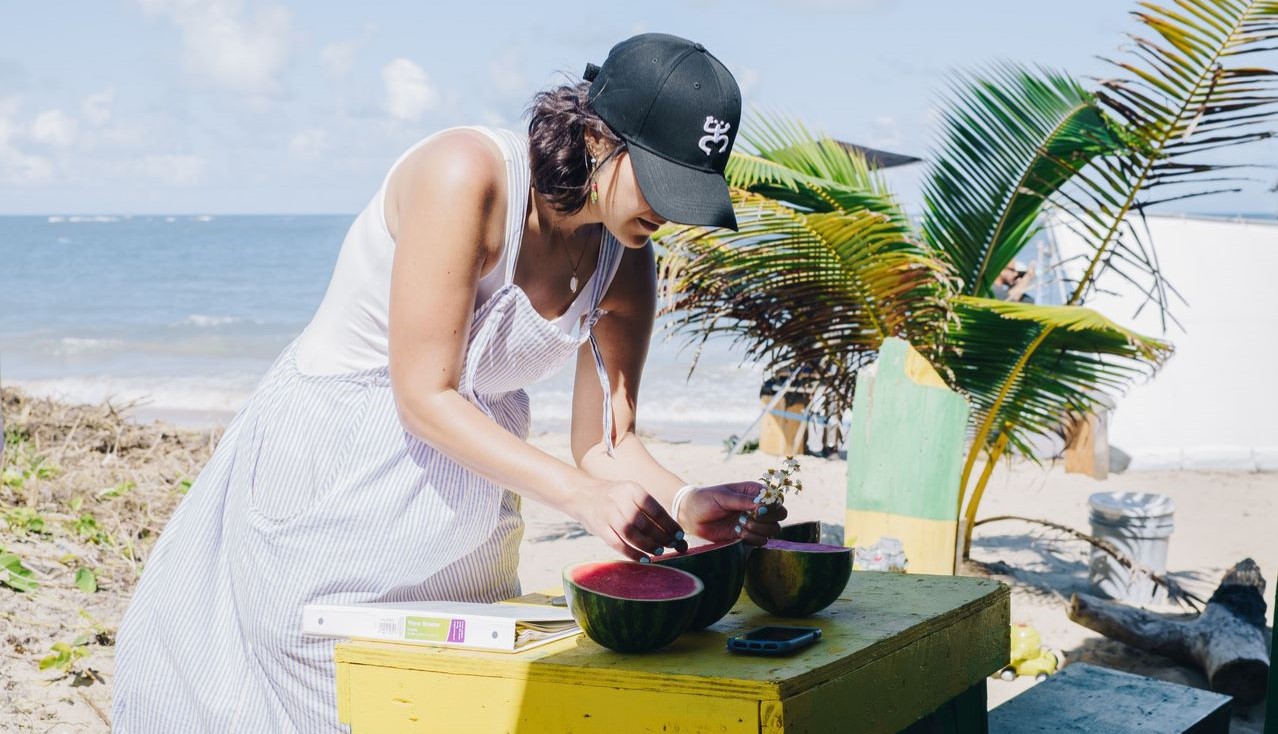
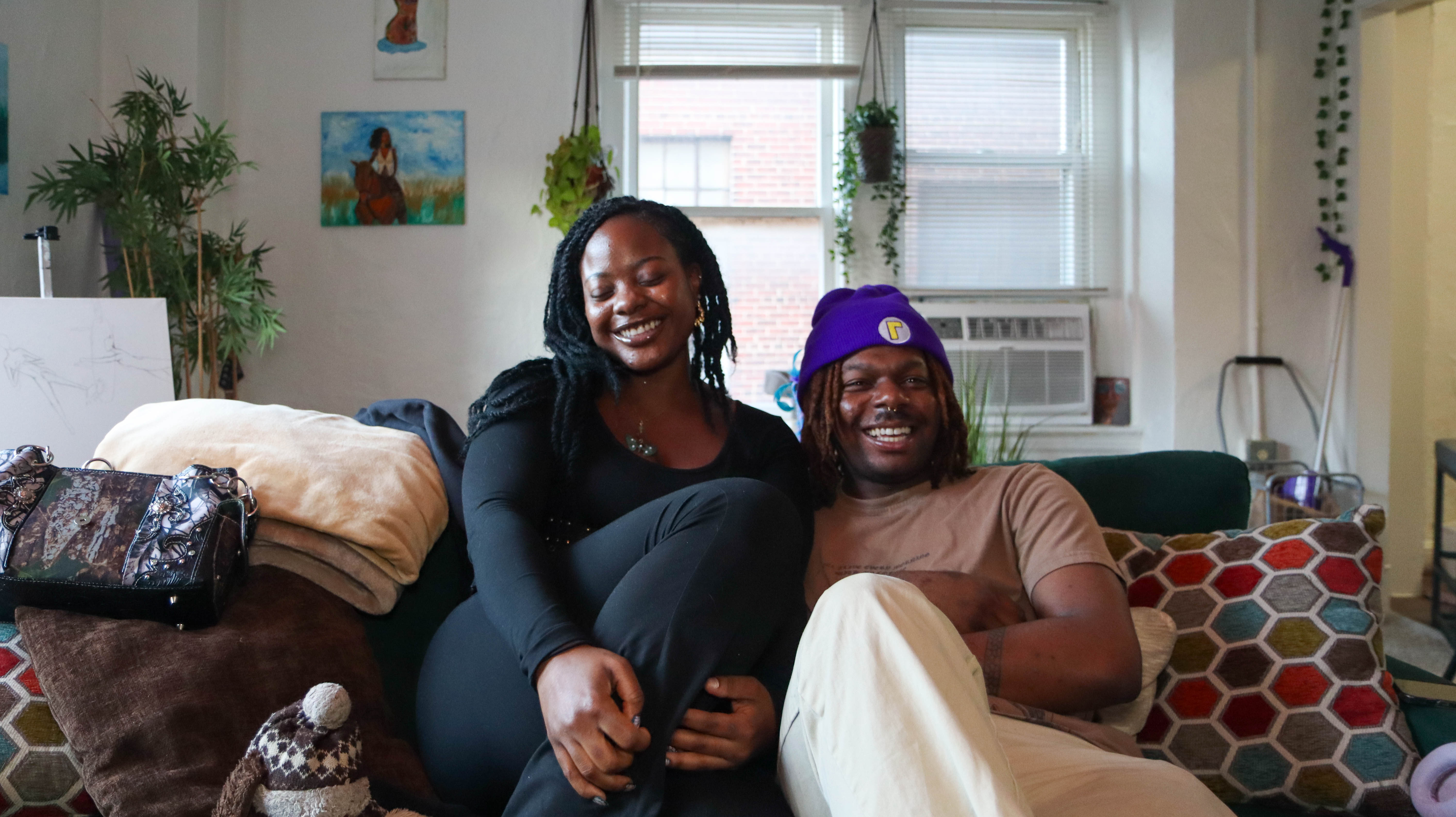
Networking happened everywhere: in line, inside the Lightbox, at the Hyatt, or even grabbing a fish and chips between screenings. One morning, while waiting for my coffee, I had the chance to speak with director and model Dawn Michele James, artist Chloë Nguyen-Drury, and Judith ML, a communications and journalism specialist with CineCoast PEI.

On the street, I ran into Canadian actress Iman Vellani—known for her role as Kamala Khan in Ms. Marvel—who shared her enthusiasm for the film Obsession. Outside the theaters, I met the actress Xochitl Gomez, who kindly agreed to take a photo with me. Encounters like these blurred the line between audience and industry.
Throughout the week, I attended a range of films, from shorts in the intimate Lightbox theater to massive premieres at the 2,000-seat Princess of Wales Theatre. I saw Ballad of a Small Player by Edward Berger, Olivier Assayas’ The Wizard of the Kremlin starring Jude Law and Paul Dano, and Rian Johnson’s Wake Up Dead Man: A Knives Out Mystery. I also caught Glenrothan, Brian Cox’s directorial debut, and Guillermo del Toro’s highly anticipated Frankenstein.
One discussion that came up at TIFF was the evolving landscape of distribution and production. Several of the festival’s largest films—Ballad of a Small Player, The Wizard of the Kremlin, and Frankenstein—were backed by streaming giants like Netflix and Disney+. Many attendees debated the value of seeing these films at TIFF when they would soon be available online. TIFF has been both a launchpad and a testing ground, but now questions are arising about the future of theatrical releases and the long-term role of festivals in an industry shaped more and more by streaming platforms.
The most moving experience I had came not at one of the blockbuster screenings, but in a smaller, more intimate screening at the TIFF Lightbox. On my final day, I attended the animated feature Little Amélie or the Character of Rain (French title: Amélie et la métaphysique des tubes), directed by Maïlys Vallade, Liane-Cho Han, and Jin Kuang, adapted from Amélie Nothomb’s autobiographical novel.

The 2000 novel portrays the world as discovered and perceived by a three-year-old child born in Japan to a Belgian family. It explores themes of self-awareness, language acquisition, bilingualism, and developmental psychology. Told from the perspective of the young girl, the film unfolds with tenderness, humor, and an almost unbearable honesty. At just 97 minutes, it left me in tears.
For me, the film resonated on multiple levels. As a parent of a young child on the autism spectrum, I found myself comparing the protagonist’s reflections to traits I recognize in my own son. That connection moved me profoundly, especially as the film’s beautiful animation approached delicate themes of childhood with extraordinary care and empathy.
The Q&A that followed was deeply personal. With my voice still catching from crying, I asked the directors whether they believed Nothomb might fall somewhere on the autism spectrum. They admitted they weren’t sure but noted her incredible memory, her ability to recall every person’s name she encountered, and her extraordinary way of seeing the world.
That exchange, intimate and raw, captured what I value most about film festivals: not just the premieres or the glamour, but the human connection between storytellers and audiences. For me, TIFF became unforgettable in that moment—surrounded by strangers, sobbing quietly, and daring to ask a vulnerable question.

TIFF is unique: it’s massive, polished, and filled with red carpets and celebrities walking casually down King Street. Yet it never felt inaccessible. I often ended my nights with a simple hot dog from a street vendor or sitting in a quiet restaurant jotting down notes. My hostel was full of fellow festival-goers—some press, some just passionate about movies—and even though I joked that I might be too old for hostel living, the shared energy was infectious. On the final day, I checked out early, rolled my luggage into the Hyatt, and camped out among other journalists, reflecting on the whirlwind week before catching my morning flight home.
What I brought back to Philadelphia was not just a list of films I’d seen, but a renewed understanding of cinema’s role in gathering community. TIFF reminded me that festivals aren’t just about watching movies; they’re about being moved, making connections, and carrying stories back to our own cities. Unlike the independent festivals I’ve attended in Philadelphia, where the focus often falls on emerging filmmakers and independent voices, TIFF leans more toward the mainstream and carries a strong celebrity presence. They are two very different spaces, yet both are deeply enriching. I don’t believe independent cinema is “better” than mainstream cinema, or vice versa; they simply serve different purposes within the cultural ecosystem.
Above all, what stayed with me was the sense of belonging. I will always be a spectator because I genuinely love cinema, but in recent years I have worked hard to take steps toward becoming part of the press. This festival, with its openness and the opportunities it offered me to connect with directors, journalists, and fellow cinephiles, felt like a turning point. It gave me the confidence to see myself not only as an attendee but as someone beginning to participate in the industry and its community.
You can watch several films mentioned in this article, including Wake Up Dead Man: A Knives Out Mystery, Frankenstein, and Little Amélie or the Character of Rain, this month at the Philadelphia Film Festival.
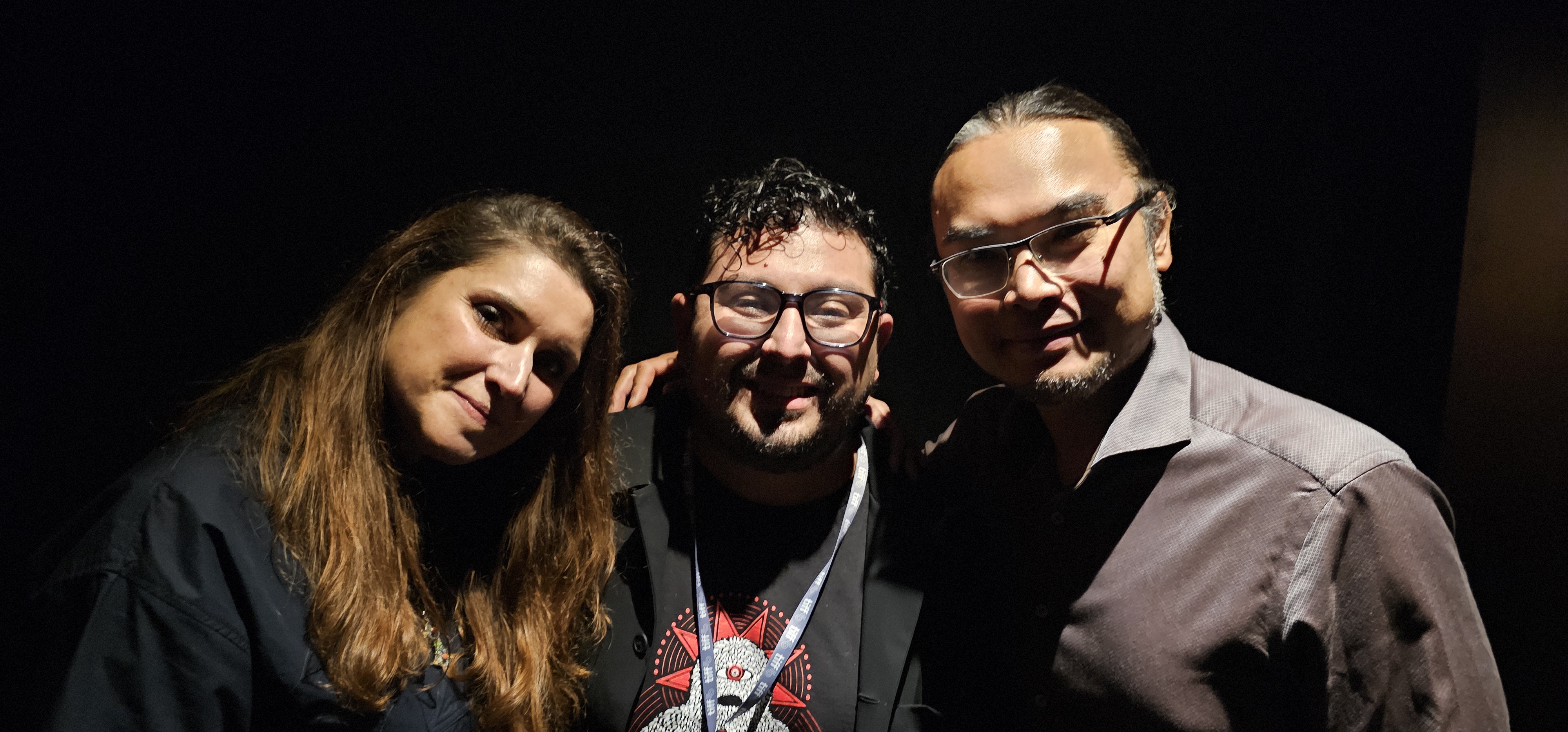
*Featured Image: Image of Erick Barragán Ramírez (center) with two of the directors of Little Amélie or the Character of Rain. Photo courtesy of the author.

Erick Barragán Ramírez is a Philadelphia-based film critic, journalist, and podcaster exploring global cinema, festivals, and justice-driven storytelling. He is a former cinéSPEAK Journal fellow.